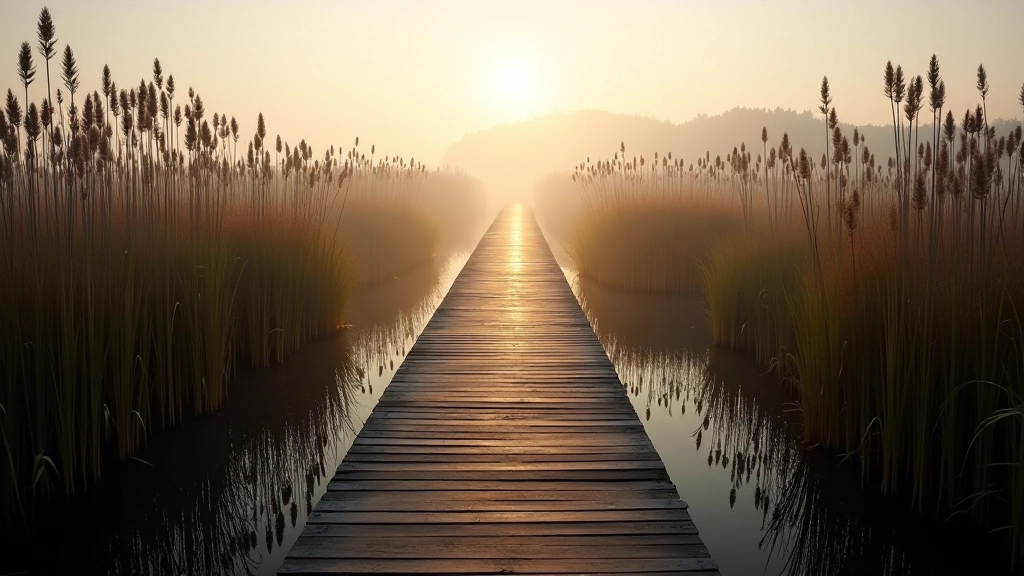
Walking Pace, Rest Spots, and Planning Your Route
Don't rush the boardwalk. The system has multiple loops and rest benches at just the right intervals. Learn how to pick a route that matches your fitness level and pace yourself for a full, enjoyable day exploring the marsh.
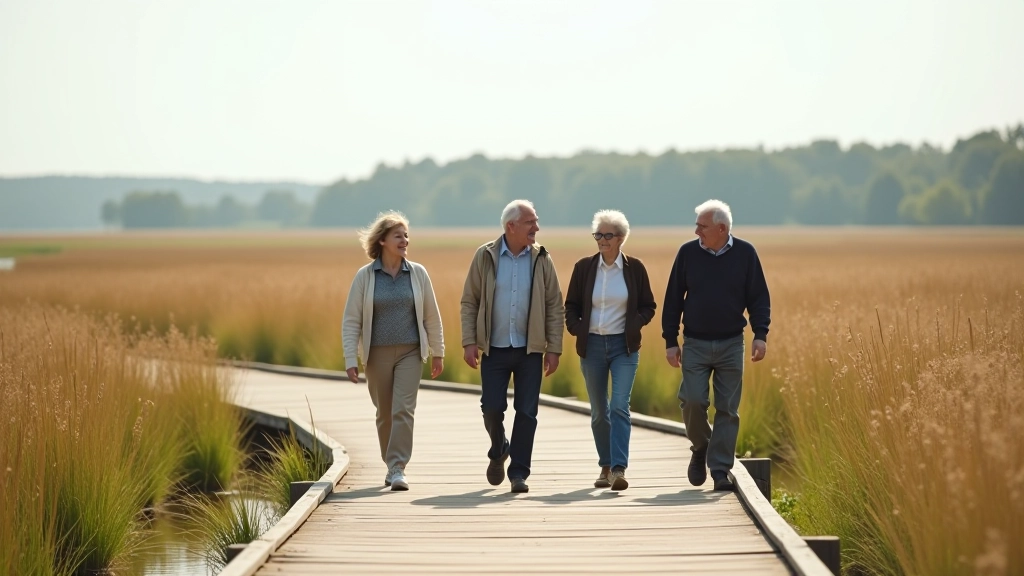
The boardwalks at Ķemeri aren't a race. They're designed for leisurely exploration, with plenty of places to pause, catch your breath, and take in the views. Whether you're visiting for the first time or you're a regular, knowing how to plan your route and pace yourself makes the difference between an exhausting slog and a genuinely enjoyable day in nature.
We'll walk you through the different loop options, show you where the benches are positioned, and explain how to read your own energy levels so you can adjust your pace without feeling rushed or disappointed.
Understanding the Loop System
The Ķemeri boardwalk isn't one long path. It's actually a network of interconnected loops, which means you get to choose how much ground you cover. The main loop runs about 2 kilometers and takes most people 45 minutes to an hour to walk. But there are shorter branches and cutoffs if you want to dial it back.
Here's what matters: you're not locked into doing the whole thing. You can walk part of the main loop, take a shortcut, or stop at the observation tower without having to complete a full circuit. This flexibility is huge for people who want to keep things relaxed.
Most visitors stick to one of three basic routes. The short route is about 1.2 kilometers and works well if you're having a lower-energy day. The medium route combines the main loop with a detour to the bird observation tower — roughly 2.5 kilometers. The full route hits everything and runs about 3.5 kilometers total. None of these are distances that'll wipe you out, but your fitness level and how much time you have will shape which one feels right.
Route lengths at a glance
- Short loop: 1.2 km (30–40 min)
- Medium route: 2.5 km (60–75 min)
- Full route: 3.5 km (90–110 min)
Where to Rest and Why It Matters
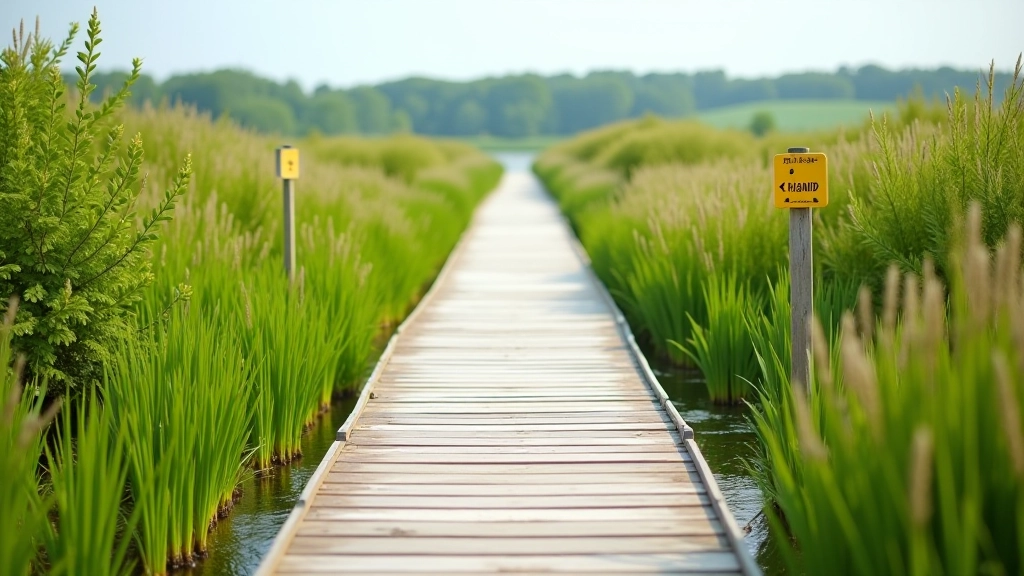
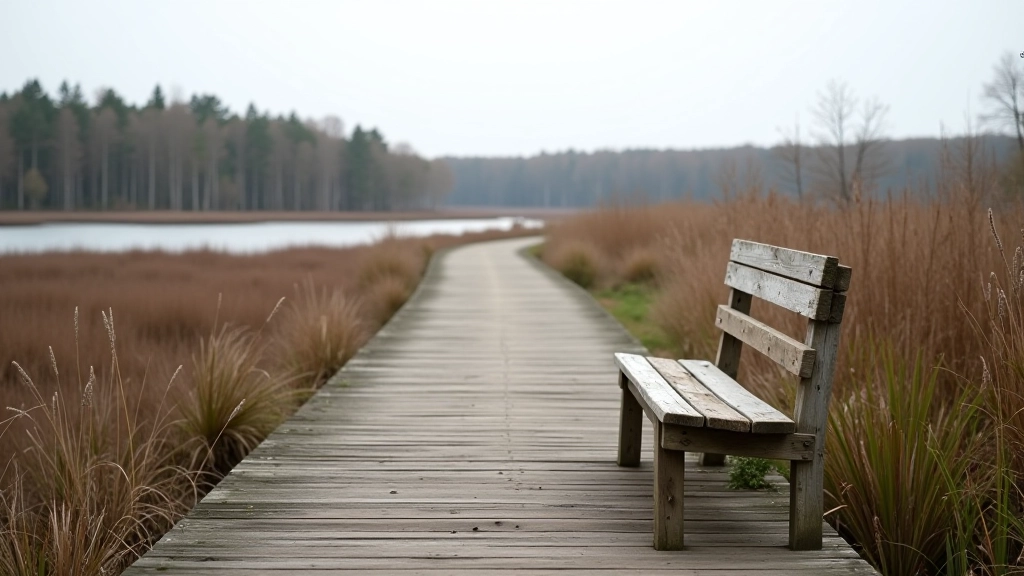
The boardwalk system has benches positioned strategically throughout. You'll find them every 200–400 meters or so, which means you're never far from a place to sit down. This isn't accidental design — it's intentional. The benches aren't just for tired legs; they're for stopping to look around.
Don't feel like you need to push through to the next one if you want to rest. Stop when you feel like it. Five minutes on a bench watching dragonflies over the water is time well spent. You're not behind schedule because there's no schedule.
The observation tower halfway through the main loop is also a natural stopping point. It's elevated, so you get views you can't see from ground level. People usually spend 10–15 minutes up there, which gives your legs a proper break while you're actually getting something out of it. The benches near the tower are often less crowded than the ones on the main path, so if you want some peace and quiet, this is where you'll find it.
Pro tip: Bring a small water bottle. The benches near the midpoint are perfect places to hydrate and eat a snack if you brought one along.
Reading Your Pace and Energy Levels
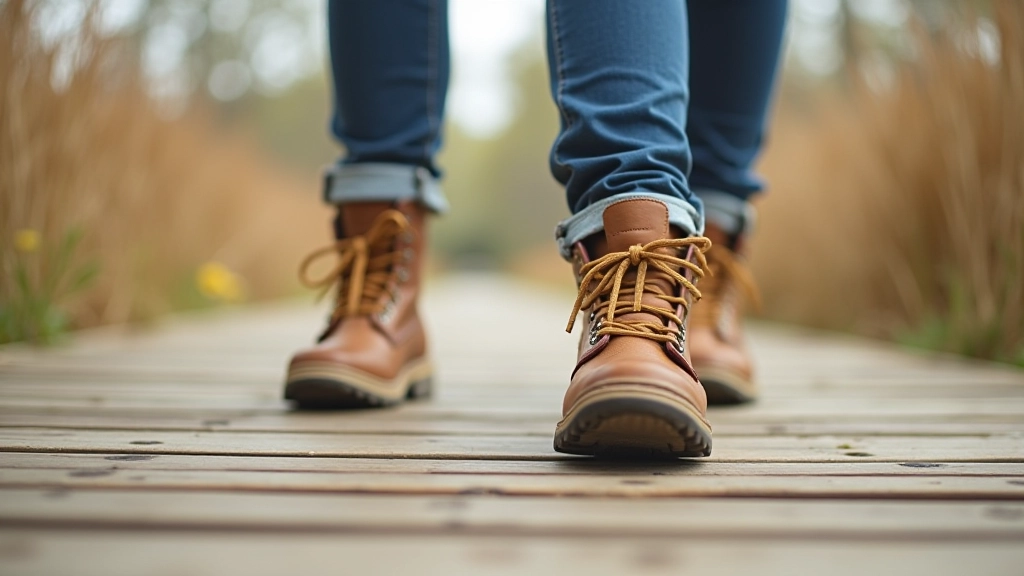
Walking pace isn't a fixed thing. It changes day to day depending on how you're feeling, the weather, and what you had for breakfast. A realistic walking pace on boardwalks is about 1.2 to 1.5 kilometers per hour — that's roughly 3 to 4 kilometers per hour on flat ground, but slower because boardwalks encourage you to notice things and aren't designed for speed.
Here's the honest version: if you can comfortably have a conversation while walking, your pace is sustainable. If you're breathing hard and can only get out short sentences, you're pushing too fast. Dial it back. The whole point is to enjoy yourself, not to test your limits.
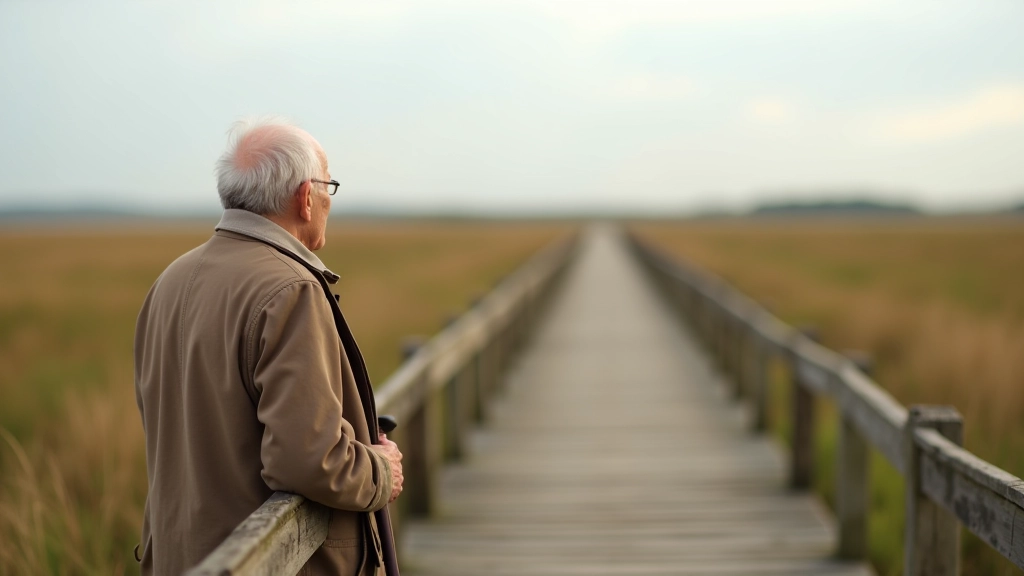
Pay attention to your legs, not your watch. Muscle fatigue and joint pain are signals to rest. Shortness of breath is a signal to slow down. Neither of these things means you've failed — they just mean you're listening to your body. That's exactly what you should be doing.
Adjusting your pace
1
Start slow. The first 10 minutes should feel easy.
2
Check in with yourself every 15 minutes. Legs okay? Breathing easy?
3
If something doesn't feel right, sit down. No penalty for resting.
4
You can always shorten your route or turn back at any point.
Planning Your Route in Advance
Before you head out, spend five minutes thinking about what you actually want to do that day. Are you here for a quick walk and a look at birds? Choose the medium route and aim for the observation tower. Do you want to take it really easy and just enjoy the first section? Pick the short loop. Planning ahead means you're not making decisions when you're tired — you're making them when your mind is fresh.
Check the weather forecast too. Wind and rain don't stop you from going out, but they do change how you feel and how fast you'll want to move. On a windy day, you might take the short route. On a perfect morning, you might feel like doing more. That's fine. Flexibility is the whole idea.
Tell someone where you're going and roughly when you'll be back. You don't need a detailed itinerary, just a general idea. This is good practice on any walk, anywhere.
Take Your Time
The boardwalks at Ķemeri are built for exactly this kind of visit — unhurried, manageable, and genuinely enjoyable. You're not racing. You're exploring at your own pace, stopping when you want, and going as far as feels right. That's not laziness or lack of ambition. That's exactly how the boardwalk is designed to be experienced.
Choose your route, plan to rest, listen to your body, and enjoy the walk. Everything else is just details.

More from Bog Boardwalk Exploration
About This Article
This article is provided for informational and educational purposes only. It's based on common practices and the design of the Ķemeri boardwalk system. Individual circumstances vary — fitness levels, health conditions, and personal preferences are all different.
If you have specific health concerns or questions about your ability to walk the boardwalks, consult with your doctor or a healthcare provider before your visit. The information here is a guide, not a substitute for professional medical advice.
Weather conditions and trail conditions can change. Always check current conditions before heading out, and bring appropriate clothing and safety gear for the season.