
Bird Watching on the Observation Tower
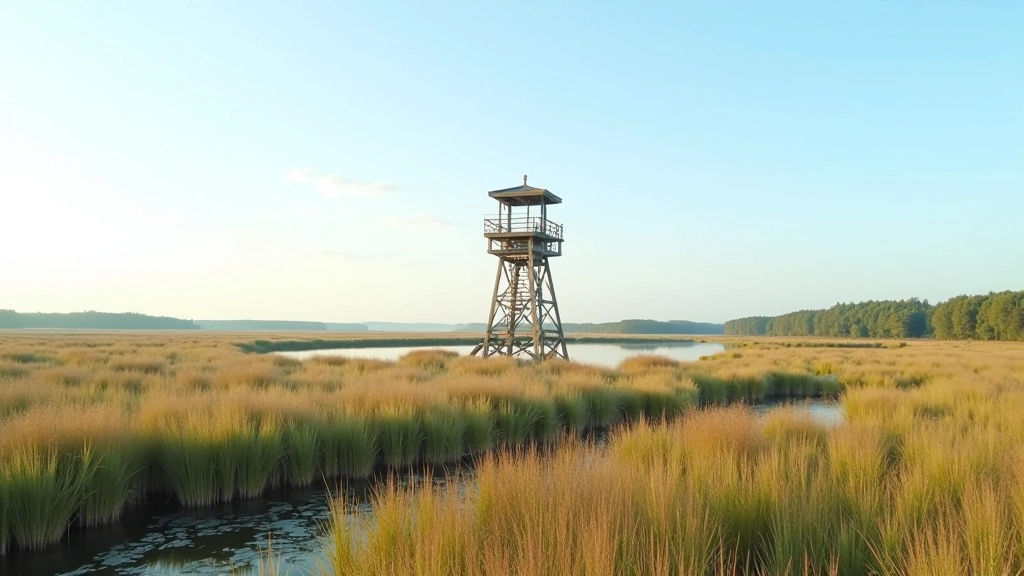
The observation tower gives you views you can't get from ground level. We've listed the species you're most likely to spot throughout the year.
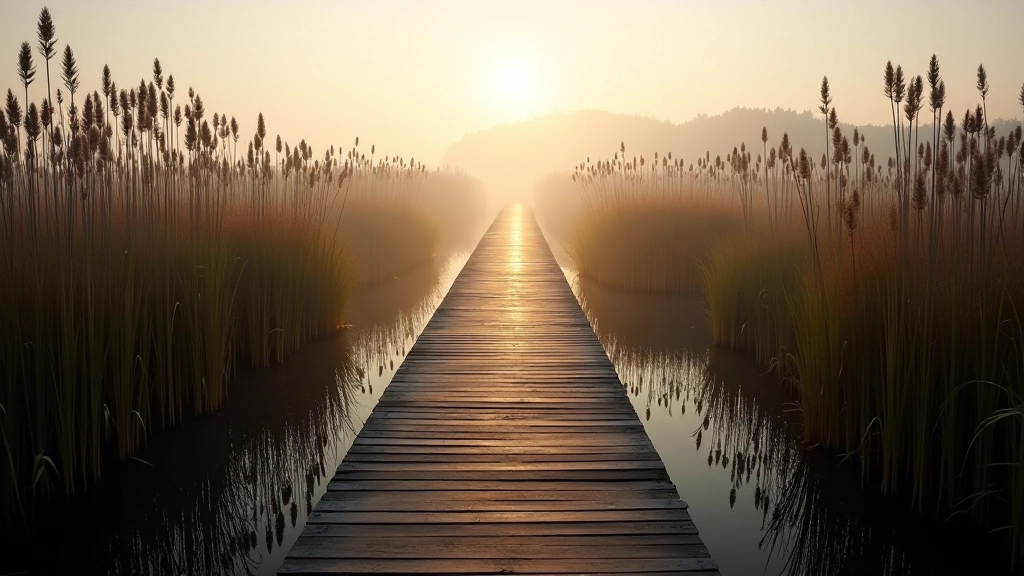
The Ķemeri boardwalks aren't a mystery. They're a well-maintained path system that guides you through one of Latvia's most important wetland areas. Walking here isn't about conquering something difficult — it's about taking your time and noticing what's around you.
You'll find two main loops here. The shorter one covers about 2.4 kilometers and takes most people 45 minutes to an hour. The longer loop stretches to roughly 4.2 kilometers, which works out to about 90 minutes of walking at a comfortable pace. Neither route involves steep hills or technical difficulty. What you get instead is immersion — wooden planks beneath your feet, marsh sounds, and the occasional glimpse of wildlife.
Main Loop Routes
Shorter Loop
Longer Loop
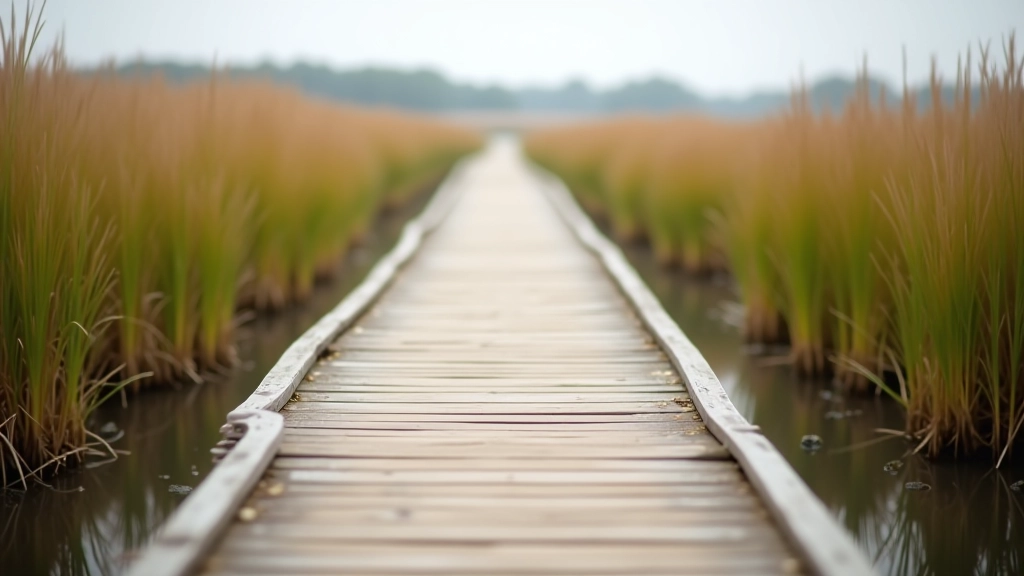
The entire system is wooden planking — that's the key thing you need to know. You're not walking on dirt trails or gravel paths. This matters because the wood surface is consistent, predictable, and honestly quite pleasant underfoot. There's no muddy sections to worry about, no uneven ground that'll catch your toe.
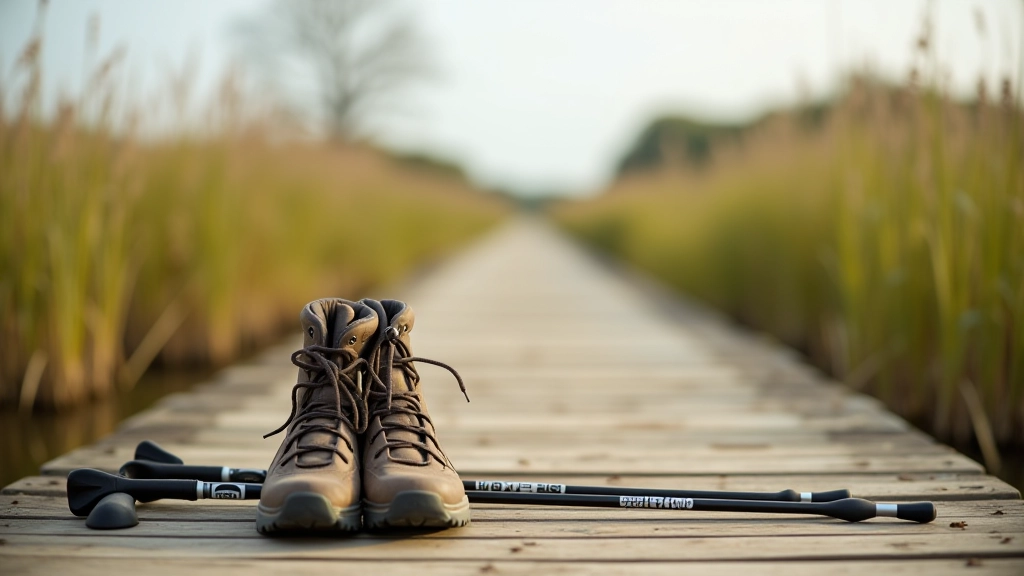
The planks are treated to prevent slipping when they're wet, which happens frequently in a marsh environment. Even so, bring footwear with proper grip. Trainers work fine. We'd avoid anything with a smooth sole — that's asking for trouble on damp wood.
The paths are wide enough that you won't feel cramped if you're walking with someone else. Most sections allow two people to walk side-by-side comfortably. There's no narrow pinch points that demand single-file walking for kilometers on end. That matters when you're spending an hour or more out here.

Don't rush this. That's honestly the main piece of advice. The boardwalks aren't a race course — they're an experience. Most people walk at about 3 to 4 kilometers per hour, which translates to roughly 15-20 minutes per kilometer. That's a relaxed, conversational pace where you can actually look around without worrying you're falling behind.
You'll probably stop several times. That's normal. You'll pause to look at birds, to catch your breath, to check a trail map, or simply to stand still and listen to the marsh. Factor that into your time estimate. A 2.4-kilometer loop becomes 60-75 minutes when you include natural stops.
The boardwalk has built-in rest points. There's benches positioned at logical intervals — you won't need to search for somewhere to sit. These aren't hidden; they're obvious, comfortable spots right along the main path.
Walking shoes or trainers with good grip. The boardwalk is mostly dry, but expect occasional damp patches. Avoid smooth-soled shoes entirely.
A light rain jacket or windbreaker. The marsh creates its own microclimate — it's often cooler and breezier than surrounding areas.
Bring water. There's no shops or refill stations once you're on the boardwalk. A small bottle is enough for the shorter loop.
Sunscreen and a hat. The marsh offers minimal shade. You're exposed for most of the walk, especially on the longer loop.
If you're interested in birds, lightweight binoculars enhance the experience. Many people enjoy the boardwalk without them though.
Pick up a free map at the entrance. It shows rest areas, observation points, and both loop routes clearly. It's helpful for pacing yourself.
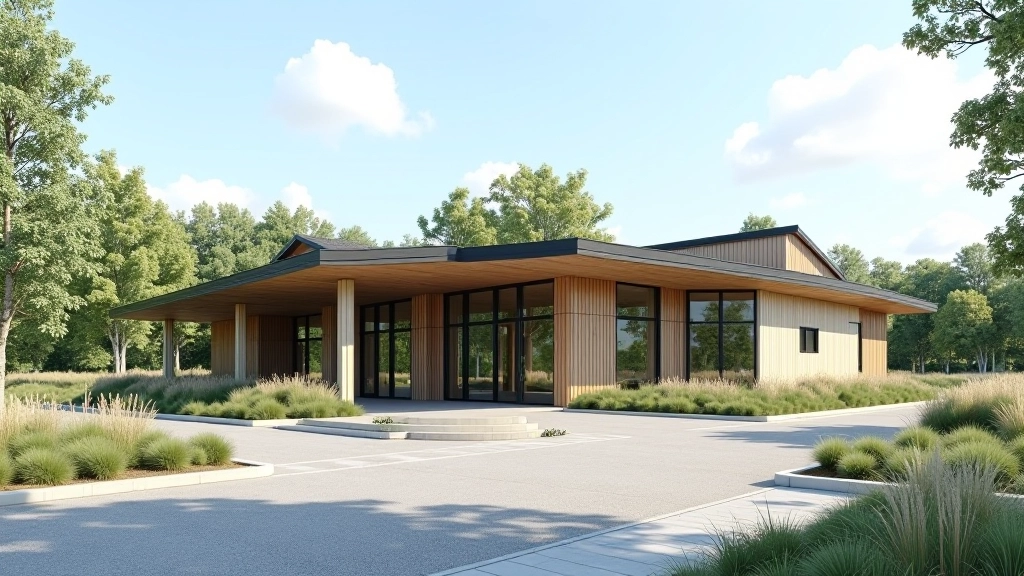
The main entrance area has a visitor center with basic facilities. There's a small café where you can grab coffee or a snack before or after your walk. The parking area is accessible and well-marked — no confusion about where to leave your car.
Restrooms are available at the entrance. This is important information if you're planning the longer loop. You won't find facilities along the boardwalk itself, so plan accordingly.
The visitor center staff are helpful. If you have questions about current conditions, wildlife sightings, or recommendations based on your fitness level, they're worth asking. They see hundreds of visitors and know what works for different people.
Starting early means fewer people and better wildlife viewing. The boardwalk opens at sunrise. You'll have peace and quiet for at least the first hour.
Weekdays are quieter than weekends. If you prefer solitude, avoid Saturday and Sunday mornings when groups are most common.
The boardwalks are open year-round, but spring and autumn offer the best combination of comfortable temperature and good visibility.
You won't see exotic animals or rare species every visit. That's the reality. What you will experience is a quiet environment, the sound of wind through reeds, and the occasional bird call. It's subtle, not dramatic.
The observation tower at the end of the longer loop is worth the extra walk. You'll get elevation and perspective on the marsh system. On clear days, you can see across significant distances. It's a satisfying destination — something to work toward.
Bring a camera if you want. The light changes throughout the day, and the marsh landscape offers interesting compositions. You don't need fancy equipment. A phone camera captures plenty.
The Ķemeri boardwalks aren't intimidating. They're accessible, well-maintained, and designed for exactly this kind of experience. You don't need special training, expensive gear, or extensive planning. Show up with appropriate footwear, bring water, and give yourself time to walk at your own pace.
The first visit is often about getting comfortable with the space. You'll learn where the rest areas are, how the paths flow, and what feels right for your fitness level. That information helps you plan better on the second visit.
Most people who visit once come back. That says something about what the boardwalks offer — it's genuine, it's accessible, and it's worth repeating.


This article provides educational information about the Ķemeri boardwalk system based on general visitor experiences and facility information. Individual circumstances vary — weather conditions, personal fitness levels, and seasonal factors all affect your actual experience. Always check current conditions with the visitor center before your visit, follow posted safety guidelines, and make decisions based on your own comfort and ability. The boardwalks are maintained year-round, but specific sections may occasionally close for maintenance. We recommend confirming access status before planning your trip.