Why the Tower Changes Everything
Walking the boardwalk is one thing. But the observation tower? That's where it gets interesting. You're not just looking at the marsh anymore — you're looking across it, seeing patterns and movements that are completely invisible from ground level. It's the difference between watching a single tree and seeing the whole forest.
Most visitors spend 15 to 30 minutes up there. Some stay longer. The platform is solid, the railings are secure, and there's a small covered area if weather turns. You'll notice right away why local birders make this their first stop.
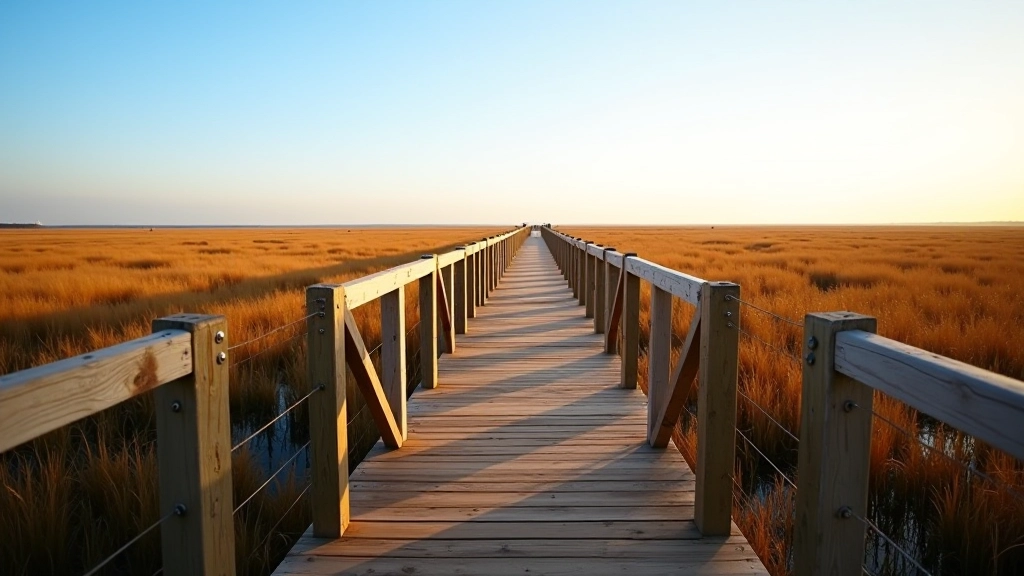
Spring Arrivals (April–May)
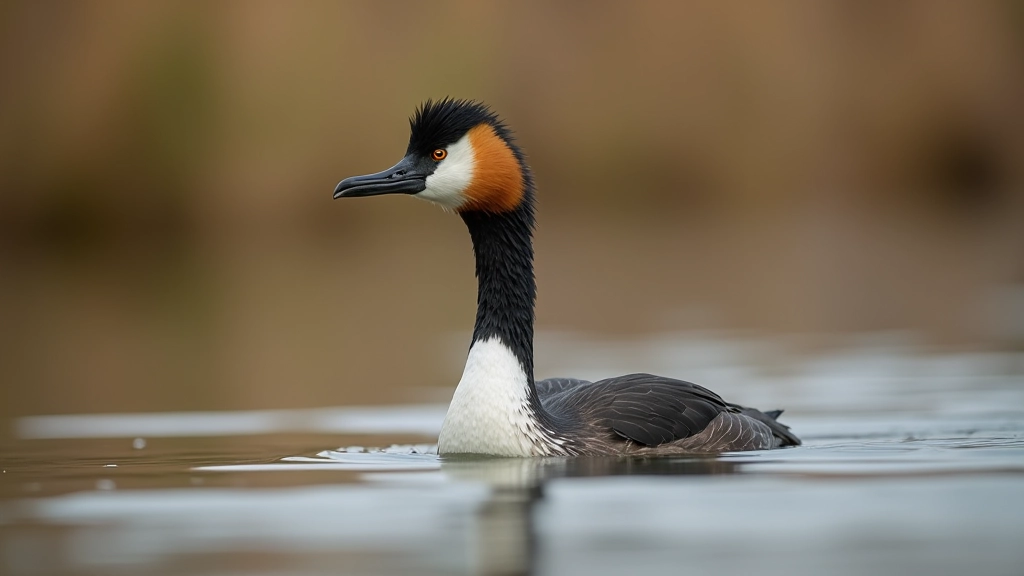
Spring is when things get loud. Warblers show up first — you'll hear them before you see them, calling from the reeds. The great crested grebes are building nests in the shallower areas, and you might catch their elaborate courtship displays if you're patient. Expect to see curlews and redshhanks returning to the wetland, their calls echoing across the marsh.
Distinctive black and white head markings. You'll spot their elaborate mating displays in shallow areas.
Small, brown, vocal. Listen for their complex song in the reed beds — they're easier to hear than see.
Large wading bird with a curved bill. Their haunting calls are iconic on the marsh.
Summer Activity (June–August)
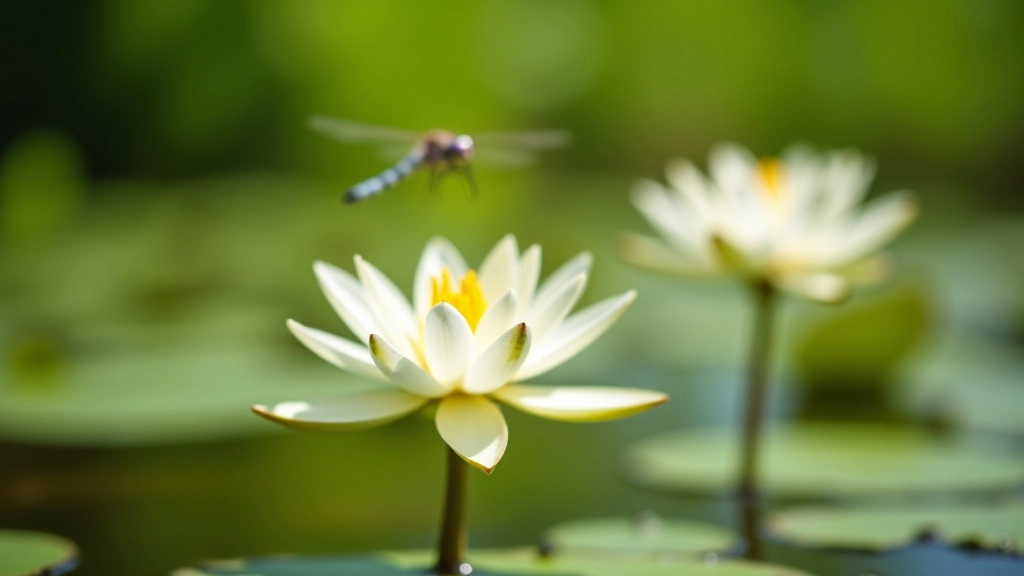
Summer's quieter than spring, but don't mistake quiet for empty. Parents are feeding fledglings, and birds are molting. You'll see less frantic activity, more purposeful movement. The marsh itself is lush — water lilies blooming, dragonflies everywhere. Spotting birds takes more patience, but the ones you do see often linger longer.
Bitterns are here but rarely seen — listen for their booming calls at dawn. Spoonbills sometimes visit from the coast. Reed warblers are raising second broods. The tower's height is especially useful in summer because you can see over the tall reed growth that obscures everything from ground level.
Best time: Early morning, before 9 AM. Activity drops sharply once the heat builds.
Autumn Migration (September–October)
Autumn's when the tower becomes essential. Thousands of birds are moving south, and many stop here to rest and feed. You'll see warblers, thrushes, and raptors — sometimes in impressive numbers on a single morning. A good day in September can feel like watching an invisible river of birds flowing through the sky and over the marsh.
Raptors follow the migration — buzzards, kestrels, and occasionally a marsh harrier. The diversity peaks around mid-September through early October. It's unpredictable, which is part of the appeal. You might see nothing special, or you might witness something you'll remember for years.
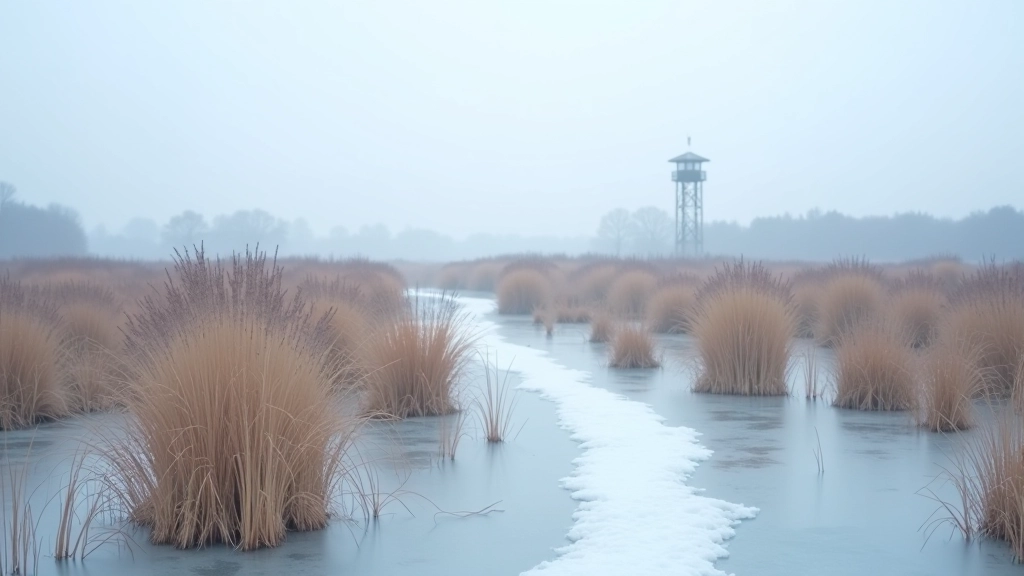
Winter Residents (November–March)
Winter simplifies things. Most summer visitors are gone. What you see are the hardy types — white-tailed eagles, whooper swans, and various ducks that don't mind the cold. The landscape opens up as vegetation dies back, making spotting easier despite fewer species overall. The marsh can freeze partially in harsh winters, concentrating birds around open water areas.
White-tailed eagles are the winter stars. They're enormous, unmistakable, and increasingly common in Latvia. Seeing one hunting over the marsh from the tower — that's the kind of moment that sticks with you. Bring binoculars and patience. Winter visits reward both.
Practical Details That Matter
Getting Up the Tower
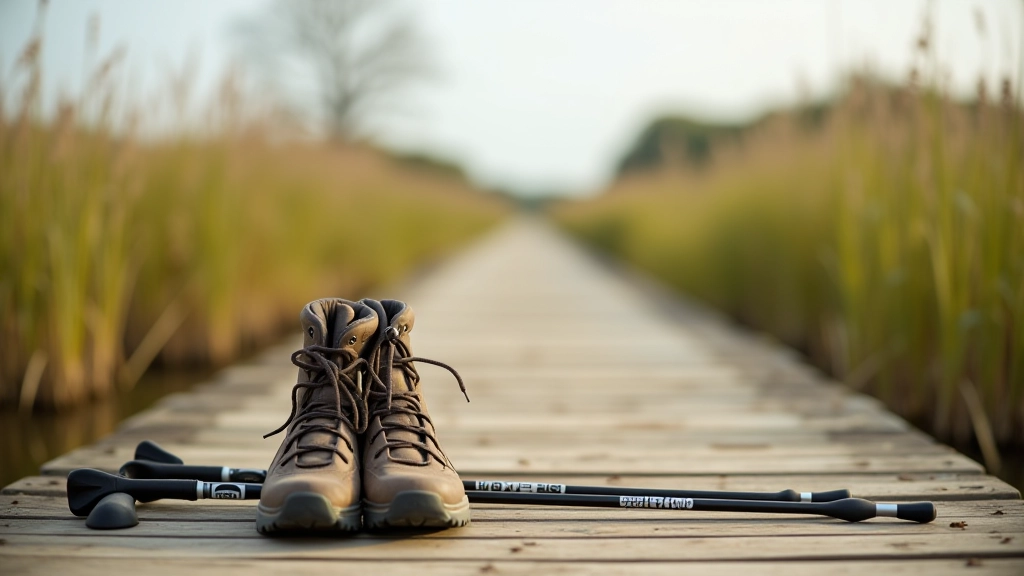
The stairs are solid wood with metal railings. It's 32 steps to the platform. If you're not steady on stairs, you might want a walking pole. The platform itself is wide and safe — no gaps, proper railings all around.
Binoculars & Equipment
Decent binoculars make the difference. You don't need expensive ones — 8x42 or 10x42 magnification works well. A small field guide helps identify what you're seeing. Bring a notebook if you like recording sightings.
Timing & Weather
Early morning is always best — most birds are active before 10 AM. Overcast days are better than bright sunny ones. Wind matters less at height, but rain will drive birds down into cover. Plan around the forecast.
Stay Comfortable
There's a covered shelter on the platform. Bring a small bag with water and a snack. Wear layers — it's cooler at height. In winter, hand warmers help. You'll stand still while scanning, so dress warmer than you think you need.
Making the Most of Your Visit
You're not going to see everything. That's actually the point. Birding on the marsh teaches patience — a quality that's increasingly rare. Here's what makes a visit successful.
Spend at least 20 minutes
Your eyes need time to adjust. Birds you didn't notice in the first 5 minutes become obvious after 20. It's not rushed.
Scan systematically
Don't randomly look around. Scan left to right, near to far. Use binoculars on specific areas, not constantly. You'll catch more movement this way.
Listen carefully
Many birds you'll never see — they're in reed cover. But you'll hear them. Learning calls helps you identify species without visual confirmation.
Visit multiple times
The marsh is different every visit. Same tower, different birds. Spring is exciting, autumn is dramatic, winter is meditative. Each season has its own appeal.
What You'll Remember
The observation tower isn't complicated. It's a platform with a good view and birds that come and go with the seasons. But somehow, standing up there with the marsh spread out below, something shifts. You're not a tourist checking off a box — you're a person paying attention to something real and wild and indifferent to your presence. That feeling lasts.
You don't need experience or special equipment. You just need curiosity and a willingness to stand still for a while. The tower will do the rest. The birds will do the rest.
Information Disclaimer
This article provides general educational information about bird species, seasons, and viewing conditions at the Ķemeri observation tower. Specific bird sightings vary by date, weather, and time of day. Species lists are based on typical patterns but aren't exhaustive or guaranteed. For current wildlife observations and detailed species guides, consult with local nature guides or visit official Ķemeri National Park resources. Weather and accessibility conditions change seasonally — always check current conditions before planning your visit.