Why Gear Matters on the Boardwalk
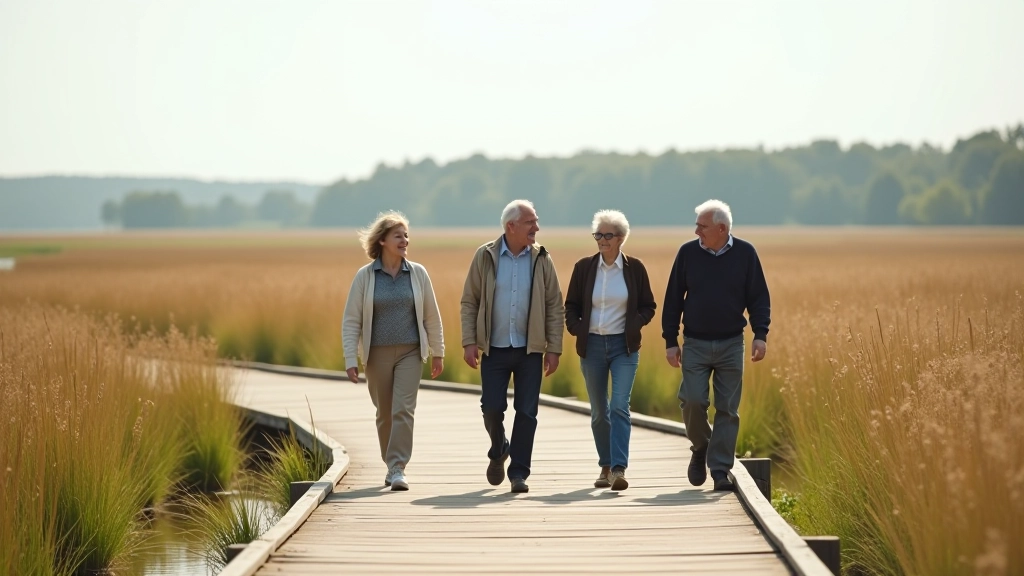
You're walking on uneven wooden surfaces in a wetland environment. That's not the same as a city park. The marsh has its own challenges — moisture underfoot, variable wind, and terrain that shifts slightly with each step. We're not talking about climbing mountains here. We're talking about comfortable, safe walking that lets you enjoy the scenery without your feet complaining by hour two.
The good news? You don't need expensive specialist equipment. You need sensible choices based on what actually happens out there. After 16 years guiding people through these trails, I've seen what works and what doesn't. Let's focus on the essentials.
Right Footwear
Proper shoes prevent pain and keep you stable on wood.
Weather Protection
Waterproof jacket and layers save the whole experience.
Smart Extras
Walking poles, sun protection, and hydration make hours comfortable.
Footwear: Your Foundation
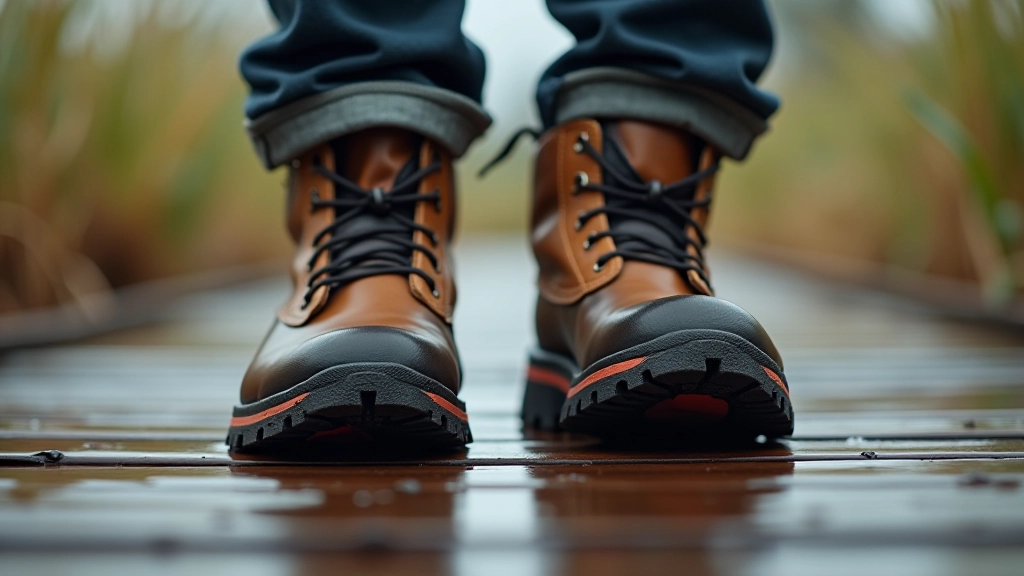
Shoes matter more than anything else you'll bring. The boardwalk is wooden — smooth in some places, rough and weathered in others. Wet conditions make it slippery. You need something with real grip and ankle support that won't trap moisture.
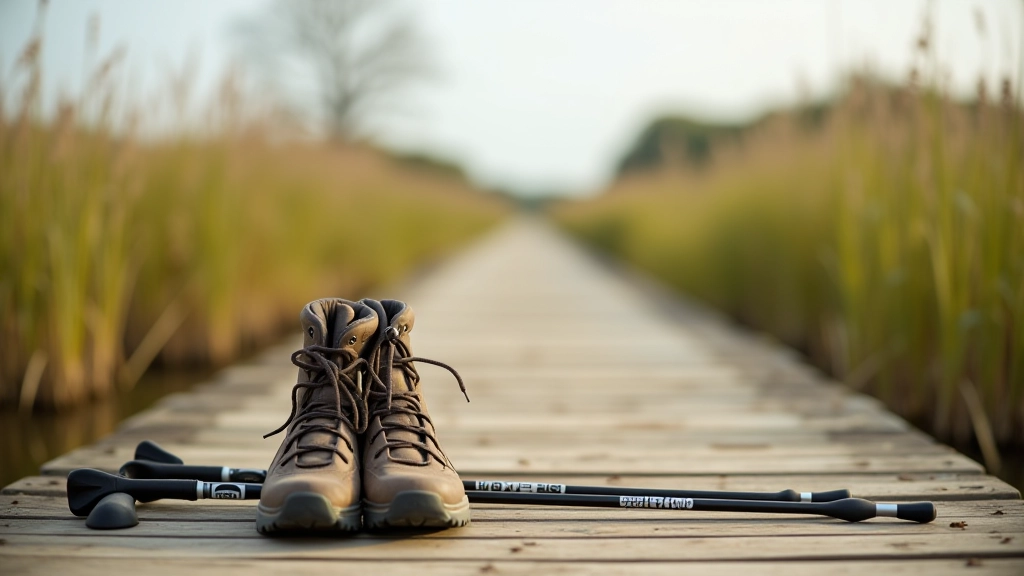
Don't wear running shoes or flat canvas sneakers. They'll leave your feet soaked and give you no stability. What works: hiking boots with waterproof membrane (Vibram soles are excellent for boardwalks), trail shoes with good tread, or water-resistant walking shoes designed for uneven terrain. Your shoe should have at least a quarter-inch of tread depth. Run your thumb across the bottom — if it feels slick, it'll be dangerous when wet.
Pro tip: Break in new boots at home before the boardwalk. Two or three walks around your neighborhood will tell you if they're right. Blisters on kilometer three aren't fun.
Layers and Waterproofing
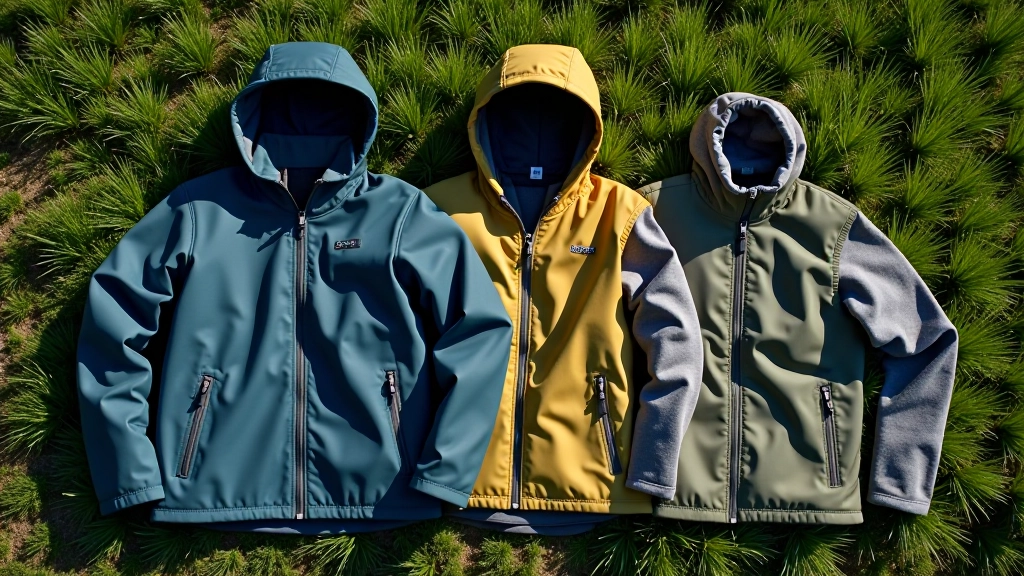
The marsh creates its own weather. You're exposed to wind across open water. Humidity is high. Temperature swings happen — mornings are cool, midday warms up, and clouds move in fast. Cotton is your enemy here. It holds moisture and makes you colder when wet.
Wear a moisture-wicking base layer (synthetic or merino wool), add an insulating mid-layer if it's cool, and bring a waterproof jacket that doesn't restrict movement. Not a rain poncho — an actual jacket with arm freedom. Your jacket should pack small enough to fit in a daypack. Most of the time you'll carry it rather than wear it. That's fine. When rain comes, you'll be glad it's there.
Long pants protect your legs from sun and occasional brush. Dark colors show less dirt. Avoid baggy pants that catch wind or drag on the boardwalk.
The Accessories That Actually Help
Walking poles aren't just for mountains. On the boardwalk they're genuinely useful. They reduce impact on your knees, give you stability on uneven sections, and let you move more efficiently. You'll notice the difference by kilometer two. Poles should reach about chest height when you hold them naturally — adjust the length to match your height.
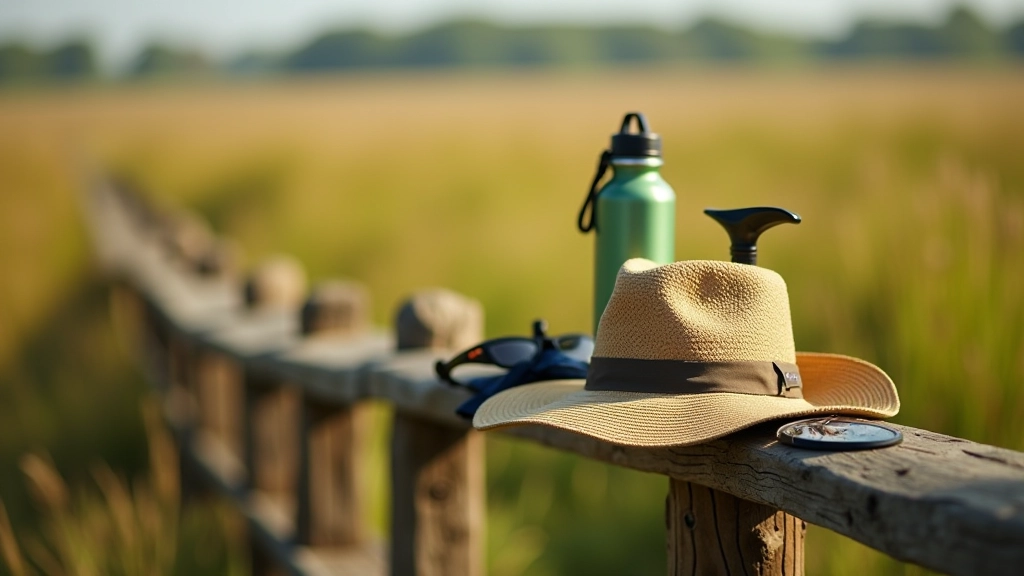
A sun hat protects your face and keeps glare down. Wide brim, not a baseball cap. Sunglasses reduce eye strain when you're looking out over bright water. Bring a small backpack — 10-15 liters is enough for water, jacket, sunscreen, and a snack. Hydration is crucial. You'll need at least one liter of water for a two-hour walk, more in warm weather. Drink before you feel thirsty. Once you're thirsty, you're already slightly dehydrated.
Essential Accessories Checklist
- Walking poles with proper grip
- Wide-brimmed sun hat or cap
- UV-blocking sunglasses
- Small daypack (10-15L)
- Water bottle or hydration pack (1-1.5L minimum)
- Sunscreen (SPF 30+)
- Small towel or handkerchief
Practical Comfort Tricks
Blisters happen. Bring blister prevention tape — apply it to hot spots before they become problems. Moleskin or athletic tape works fine. If you feel a hot spot developing, stop and tape it immediately. Don't push through hoping it'll go away.
Moisture is the real enemy on a wetland walk. Your feet will be exposed to humidity. Merino wool socks absorb moisture without getting clammy. Cotton socks trap moisture and cause blisters. This sounds like a small detail, but it's not. Good socks are worth the investment.
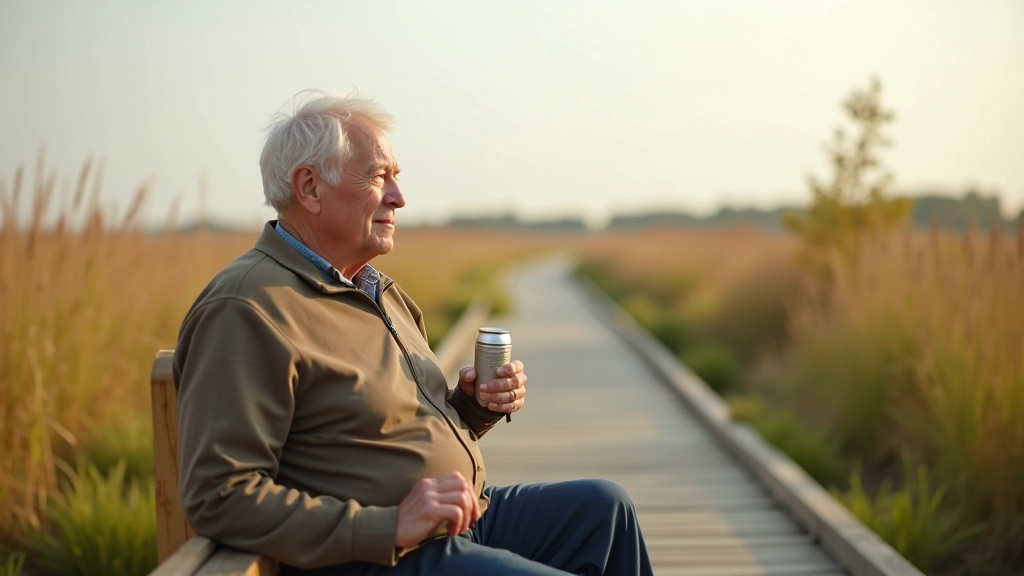
Take breaks before you need them. The boardwalk has benches strategically placed — use them. Sit for five minutes, drink water, rest your feet. A walk isn't a race. The whole point is to enjoy the marsh and birds without suffering. If your feet hurt or you're tired, that defeats the purpose. Smart pacing means you'll actually want to come back.
Prepare Once, Enjoy Many Times
Good gear isn't about looking like a serious hiker. It's about removing obstacles so you can focus on what matters — the scenery, the wildlife, the fresh air. When your feet are comfortable and you're protected from weather, your mind relaxes. You notice more. You walk further. You come back for another visit.
The Ķemeri boardwalk system rewards preparation. Invest in proper shoes, bring a waterproof jacket, wear layers, and bring water. These aren't expensive or complicated decisions. They're just sensible. People who've done this right tell us the same thing: they wish they'd started sooner. Don't let discomfort stop you from experiencing something genuinely beautiful.
Disclaimer
This article provides informational guidance on gear and comfort for boardwalk walking. Individual needs vary based on age, fitness level, existing health conditions, and weather conditions. Always consult your doctor before beginning a new walking program, especially if you have joint issues, cardiovascular concerns, or mobility limitations. Weather conditions on the marsh can change rapidly — check local forecasts before visiting. The Ķemeri boardwalk system has safety guidelines and rest facilities; familiarize yourself with them before your visit. This guidance is based on general experience and does not replace professional medical or fitness advice.

Continue Reading